
Qualle
-
October 7, 2026
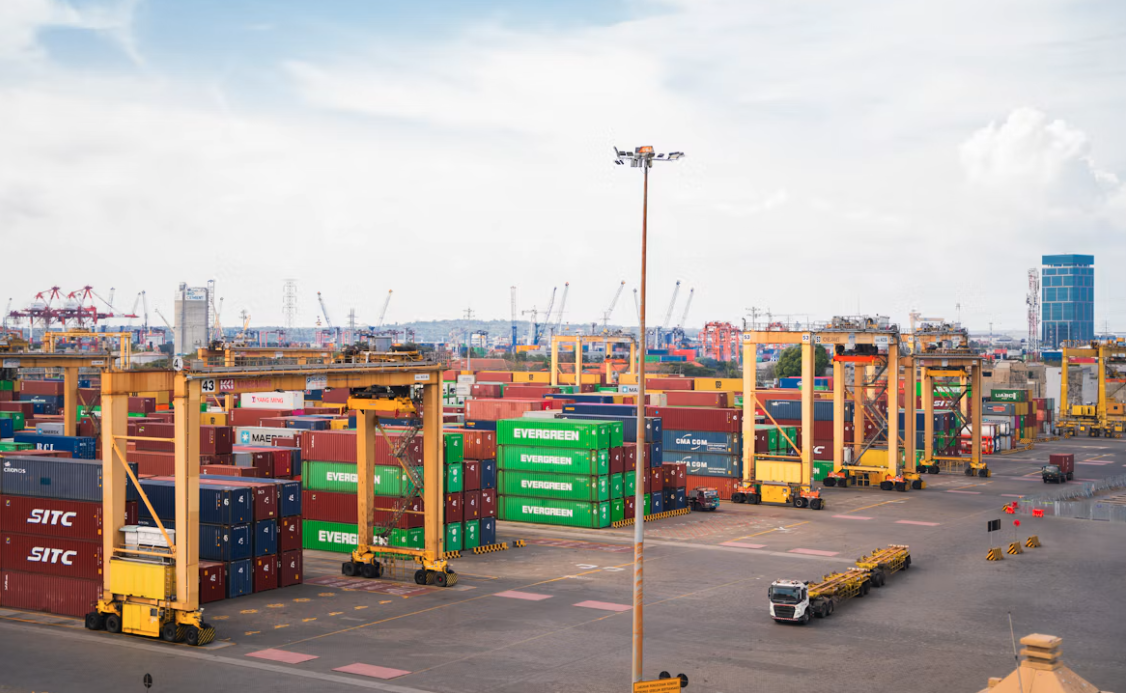
Drayage has an empty-mile problem.
An import container is unloaded. The trucker returns the empty container to the terminal. Somewhere else in the same market, another truck is heading to the terminal to pick up an empty container for an export load.
Two truck moves. Two terminal transactions. And often, a lot of unnecessary miles.
A street turn creates another option: reuse that import container for an export shipment before it ever returns to the terminal.
Qualle's street-turn data shows that this is becoming increasingly common. Street turns increased approximately 6.7% year over year, with activity generally trending higher throughout the most recent year.
The concept isn't new. But as drayage operators, ocean carriers, importers and exporters look for ways to reduce unnecessary transportation, street turns are becoming an increasingly important part of container logistics.
A street turn, sometimes called a container street turn, happens when an empty import container is transferred or reused for an export load rather than being returned to the marine or rail terminal first.
Consider a typical container move.
An importer receives a loaded ocean container. A drayage carrier moves the container from the port to the importer's facility. Once the container is unloaded, the carrier normally has to return that empty container to an approved location.
Meanwhile, an exporter in the same region may need that exact type of container.
Without a street turn:
Import delivery → empty return → terminal → empty pickup → exporter
With an approved street turn:
Import delivery → exporter
The container stays in circulation without making the unnecessary trip back through the terminal.
That sounds simple. Operationally, it isn't always simple.
The right container, ocean carrier, equipment type, location, timing and approval all have to line up. That's why technology and visibility are important to making street turns work at scale.
The economics of drayage are heavily influenced by distance, driver time and terminal activity.
Every unnecessary empty move consumes all three.
A successful street turn can potentially eliminate an empty return and an empty pickup from the same container cycle. That means fewer non-revenue miles and less time spent moving equipment that isn't carrying freight.
For drayage carriers, this can improve equipment utilization and reduce unnecessary driver miles.
For importers and exporters, street turns can create a more efficient connection between available container supply and export demand.
For ocean carriers, container reuse can help keep equipment moving while reducing unnecessary repositioning.
And for the broader supply chain, fewer empty truck movements can mean less congestion and lower emissions.
Qualle's platform data shows approximately 6.7% year-over-year growth in street turns during the most recent twelve-month period.
The weekly data also shows an upward trend in street-turn creation over the course of the year.
That matters because street turns depend on network participation.
The more import containers that become available for reuse—and the more exporters looking for compatible equipment—the greater the opportunity to identify potential matches.
In other words, street turns benefit from network density.
A single importer may not know that an exporter a few miles away needs its container. A single trucking company may only see the equipment moving within its own operation.
A broader street-turn network can connect those otherwise disconnected moves.
Reducing empty miles isn't only an operational benefit.
It also directly affects emissions.
Qualle's data estimates that street turns facilitated through its network have produced more than 17.6 million kilograms of CO₂ savings.
Across the dataset, Qualle calculates an average emissions reduction of approximately 32.8% for qualifying moves.
The reason is straightforward: the cleanest empty truck mile is often the one that doesn't have to happen at all.
Drayage takes place disproportionately around ports, rail ramps and major population centers. Those same locations are frequently dealing with congestion and air-quality challenges.
Street turns won't eliminate empty container repositioning entirely. Equipment imbalances are an unavoidable part of international container shipping.
But when an import container and an export need can be matched locally, returning that box to the terminal first may be unnecessary.
If the benefits are clear, why doesn't every eligible container get reused?
Because a successful street turn requires several pieces to align.
The container must generally be compatible with the exporter's requirements. The steamship line must permit the reuse. Equipment availability and export demand need to occur within a workable geography and timeframe. The parties also need visibility into the opportunity before the container gets returned.
That last point is critical.
Historically, much of the information needed to coordinate street turns has existed in separate systems, emails, spreadsheets and individual company networks.
An importer knows it has an empty.
An exporter knows it needs equipment.
A drayage carrier knows where its truck and container are.
An ocean carrier controls the equipment.
But without a way to connect those parties, the container often follows the default path back to the terminal.
Street-turn technology is fundamentally about visibility.
Instead of treating every empty import container as an automatic terminal return, a street-turn platform can help determine whether there is an opportunity to reuse that equipment first.
Qualle connects participants across the drayage ecosystem to help identify and execute those opportunities.
The objective isn't to force a street turn into every container move.
It's to make the opportunity visible when the economics, equipment and timing make sense.
As participation grows, more container movements can potentially be evaluated for reuse before an empty return occurs.
Drayage will always involve repositioning containers.
Imports and exports aren't perfectly balanced. Equipment types don't always match. Timing doesn't always work. And ocean carrier requirements have to be followed.
But the industry's default assumption that an import container must always return empty before its next move is changing.
Qualle's data supports that shift.
With street-turn activity up nearly 7% year over year, more containers are being reused before returning to the terminal. At the same time, the resulting reduction in unnecessary transportation is producing measurable emissions benefits.
The opportunity is straightforward:
Keep containers moving with freight instead of moving them empty whenever possible.
That means fewer wasted miles, better utilization of drayage capacity and a more efficient container supply chain.
Qualle helps drayage carriers, importers, exporters and other container logistics participants identify opportunities to reuse empty containers rather than sending them directly back to the terminal.
[Learn more about Qualle and street turns →]
Qualle
-
October 7, 2026
Street turns allow import containers to be reused for export loads without returning empty to the terminal first. Qualle data shows street-turn activity increased nearly 7% year over year, highlighting the growing role of container reuse in drayage.

Tyler Sellers
-
March 22, 2023
Decarbonizing supply chains is an important goal for shippers, ocean liners, and transporters, as it can help to reduce their environmental impact and improve their sustainability.

Qualle Marketing Team
-
March 7, 2023
Qualle will roll out its platform across North America to help make the port markets more efficient
Keeping containers moving